


Gain vital insights into the risks posed by pore-air flow systems in various projects. Design robust waste cover systems based on complex scenarios considering air, water, heat, and/or gas transfer. Apply rigorous gravity-driven or density-driven formulas to gain project insights
Track air through porous media with AIR/W & AIR3D
Simulate single-phase air transfer or complex coupled air-water systems in porous materials
Go to storeTry it nowHighly specialised air flow software made doubly powerful when integrated with TEMP/W and CTRAN/W.
Analyse the space in between
Harness the power of finite element software to model air transfer in mine waste and other porous media.
Plan for the effect of moisture dynamics on gas migration by integrating other GeoStudio products.
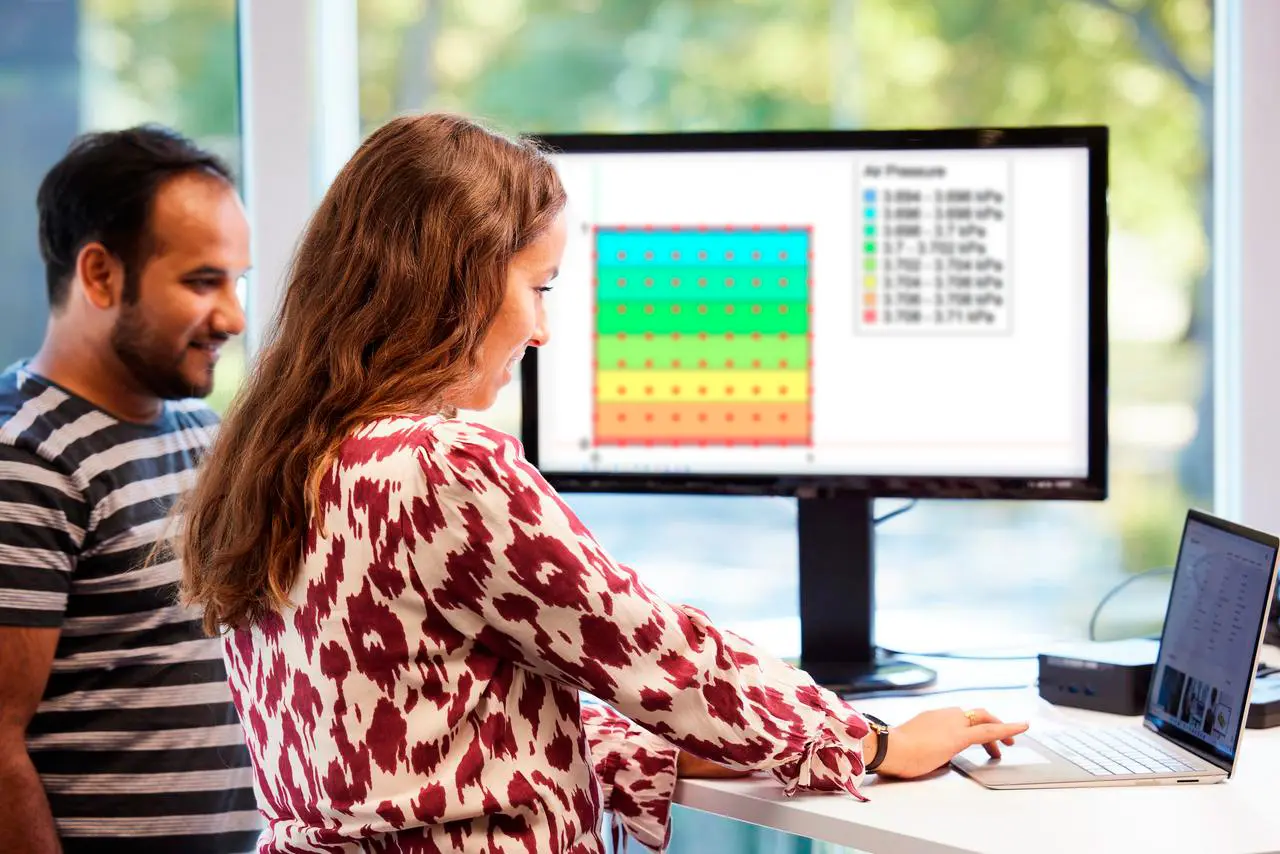
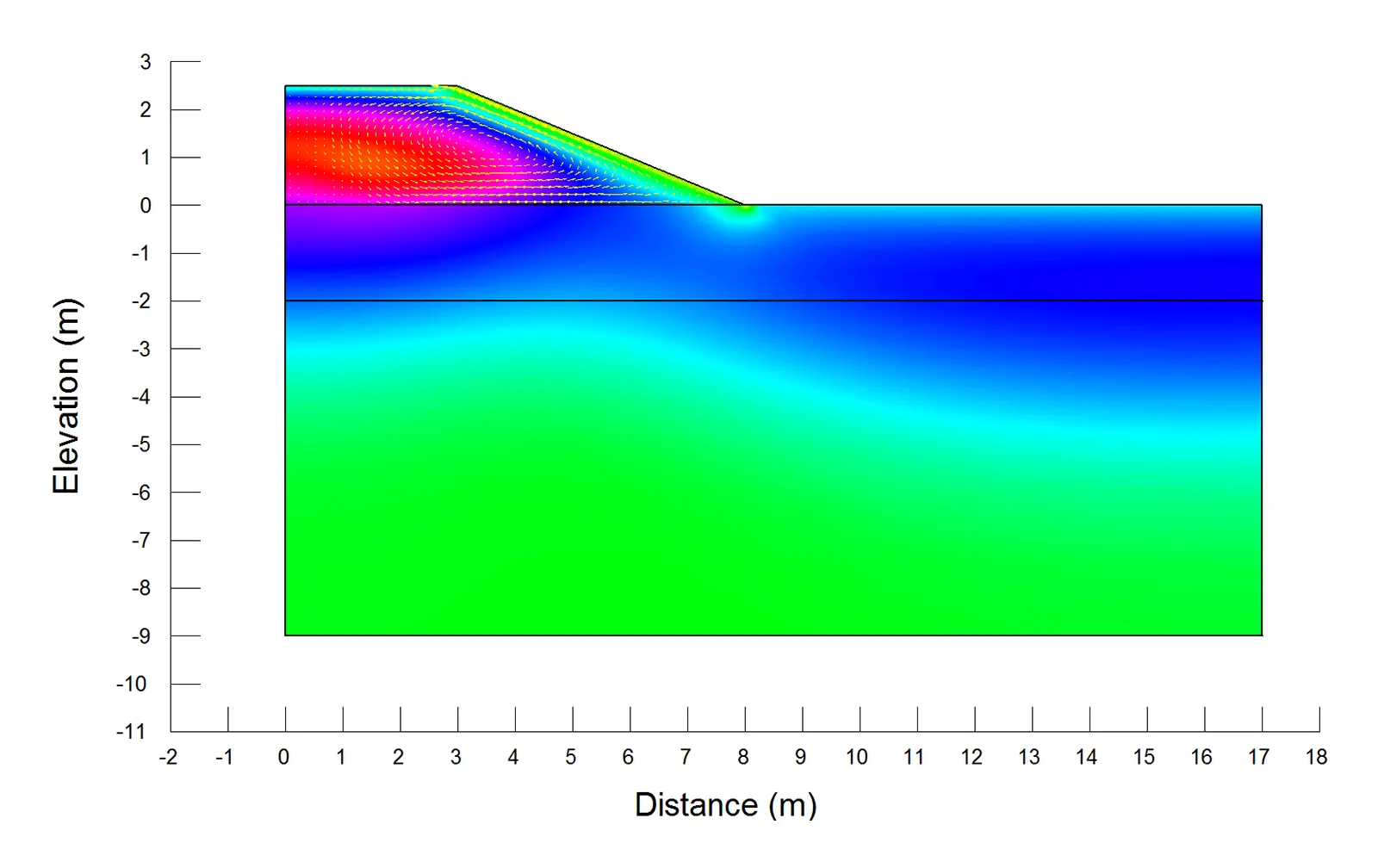
Evaluate risks in flow models
Test the validity of designs for waste cover systems and embankments, considering a range of condition variables, such as seasonal effects on the soil thermal regime in cold regions.
Simulate extreme conditions
Evaluate the effect of changing conditions on pore-air flow. Integrate with TEMP/W or TEMP3D to understand how changing soil temperatures impact density of air flow.
Use with SEEP/W to investigate complex hydraulic behaviour of unsaturated pore-space.
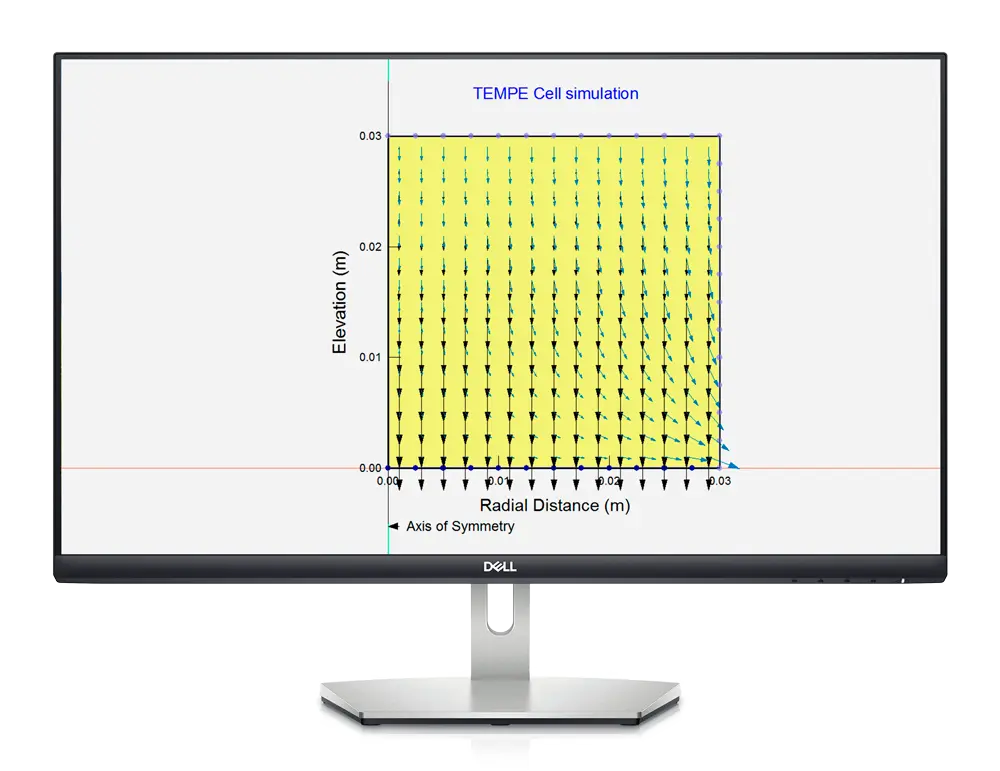
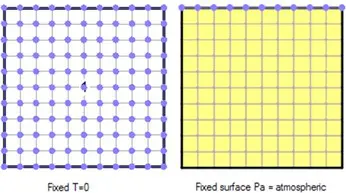
AIR/W & AIR3D are is part of GeoStudio integrated geo-engineering software.
AIR Stories

Integrate, communicate, and interpret geotechnical data
with industry-leading geo-engineering numerical modelling
Try it nowKey features
Simulate pressure-driven air flow
Monitor the movement of gas particles for single phase flow for projects such as waste cover systems.

Understand density-driven air flow
Investigate the impact of seasonal soil temperature fluctuations on pore-air density and free convection air transfer.

Estimate material properties
Estimate the air conductivity function for dual phase flow from the dry-soil air conductivity and basic soil properties, such as the volumetric water content function.

Analyse complex hydraulic behaviour
Gain clear insights into the long-term performance of waste cover systems for mines, landfills, reclamation projects and more by coupling with SEEP/W to analyse complex saturated-unsaturated systems.
Examine effects on thermal systems
Combine with TEMP/W to model forced-convection heat transfer and evaluate the influence of pore-air flow on soil thermal regimes, such as permafrost depth in cold regions.
Useful Information
System Requirements
We recommend you use Windows 10, with a reasonably fast processor, mid range graphics and 32GB of system memory.
Supported Data/Formats
Supported kinds of data and formats that you can use with Geostudio.